.png)
How often should you replace an HVAC filter?
It depends.
But ignoring it almost always costs more than replacing it.
The short answer
For most homes:
• Every 1–3 months is standard.
• Homes with pets may need monthly changes.
• Vacation homes may stretch longer.
• High-efficiency filters may last 3–6 months.
The real answer depends on usage and environment.
Why HVAC filters matter
Your HVAC filter does more than keep dust out of the air.
It protects:
• Your blower motor
• Your evaporator coil
• Airflow efficiency
• Indoor air quality
• Energy consumption
When filters clog, airflow drops.
When airflow drops, strain increases.
When strain increases, systems wear out faster.
A $20 filter can protect a $10,000 system.
Factors that change replacement frequency
There is no universal schedule.
Here is what affects timing.
1. Pets
Homes with dogs or cats accumulate more hair and dander.
More debris means filters clog faster.
Monthly replacement is often recommended.
2. Allergies or respiratory sensitivity
If someone in your home has allergies or asthma, cleaner air matters more.
Changing filters more frequently improves air quality.
3. Home size and occupancy
More people means more air circulation and debris.
Larger homes with higher airflow may require more frequent replacement.
4. Filter type
Low-cost fiberglass filters often need monthly replacement.
Pleated high-efficiency filters may last up to 90 days.
Always check manufacturer guidelines.
5. System usage
In extreme climates where HVAC runs constantly, filters clog faster.
High runtime equals shorter intervals.
What happens if you wait too long?
When filters are neglected:
• Energy bills increase
• Air quality decreases
• System strain rises
• Risk of frozen coils increases
• Equipment lifespan shortens
Neglecting filters is one of the most common preventable HVAC issues.
And it is one of the simplest fixes.
How to know it’s time
Beyond the calendar, watch for:
• Visible dust buildup
• Reduced airflow from vents
• Increased allergy symptoms
• Higher utility bills
But relying on visual checks alone is inconsistent.
Structure beats guessing.
The real problem is not knowing the rule
Most homeowners understand they should change filters.
The problem is forgetting.
Maintenance lives in your head.
You mean to remember.
You intend to do it.
Then life happens.
Why tracking matters
Replacing an HVAC filter is not a one-time task.
It is recurring.
If you change it today, the next reminder should be based on today.
Not a generic quarterly calendar alert.
A home maintenance tracking system ties reminders to real completion dates.
That keeps maintenance accurate over time.
From random reminders to structured tracking
Instead of:
Trying to remember.
Setting vague phone reminders.
Guessing at timing.
You can:
Log the replacement date.
Set a recurring schedule.
Track consistency year after year.
Over time, this builds a digital maintenance record for your home.
Why that matters long term
Filter replacement affects more than air quality.
Consistent tracking:
• Protects HVAC lifespan
• Supports warranty claims
• Improves energy efficiency
• Documents preventative care
• Protects resale value
Small tasks compound.
Where digital systems help
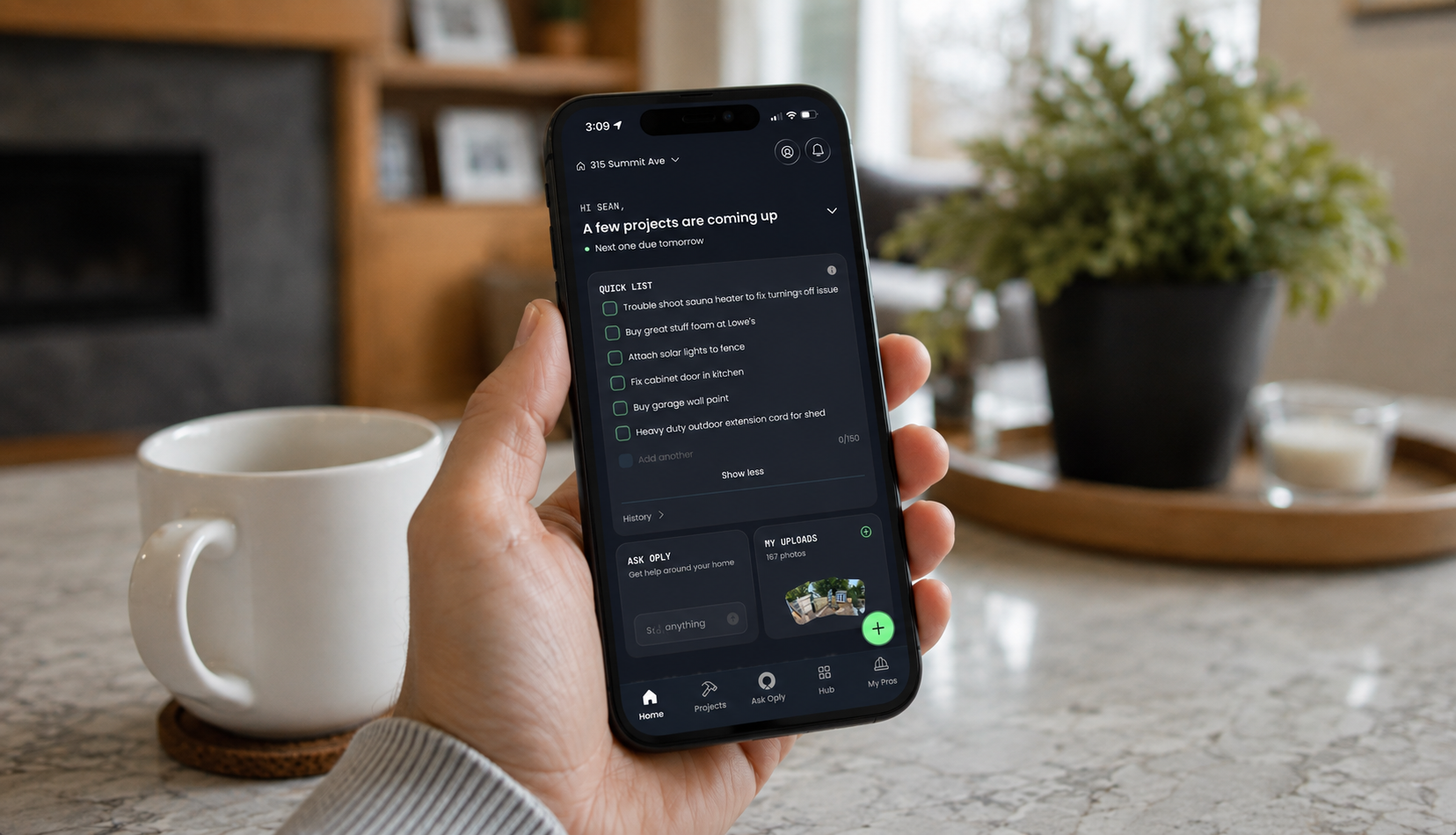
An AI-powered home maintenance platform can:
• Let you add “HVAC filter replacement” as a project
• Recommend frequency based on general best practices
• Send reminders the day before and day of
• Log each completion permanently
• Keep history attached to your property
Platforms like Oply are designed for recurring maintenance tracking.
Not just advice.
Structure.
A simple starting point
If you are unsure when you last replaced your filter, start today.
Replace it.
Log the date.
Set it to repeat.
Check it consistently.
The difference between reactive and proactive homeownership often starts with small tasks done regularly.
The bottom line
How often should you replace an HVAC filter?
Usually every 1–3 months.
More often with pets.
Less often with minimal use.
Always based on your specific home.
But the real question is not frequency.
It is consistency.
When you track it, you protect your system.
And when you protect your system, you protect your home.