.png)
Homeownership is supposed to feel like progress.
Stability.
Pride.
Security.
A place that is yours.
So why does it often feel harder than it should?
It’s not the house.
It’s the mental load.
The invisible weight of homeownership
Most homeowners are not overwhelmed by one big disaster.
They are overwhelmed by dozens of small unknowns.
Did I replace the HVAC filter?
When was the water heater last flushed?
Who did that electrical work last year?
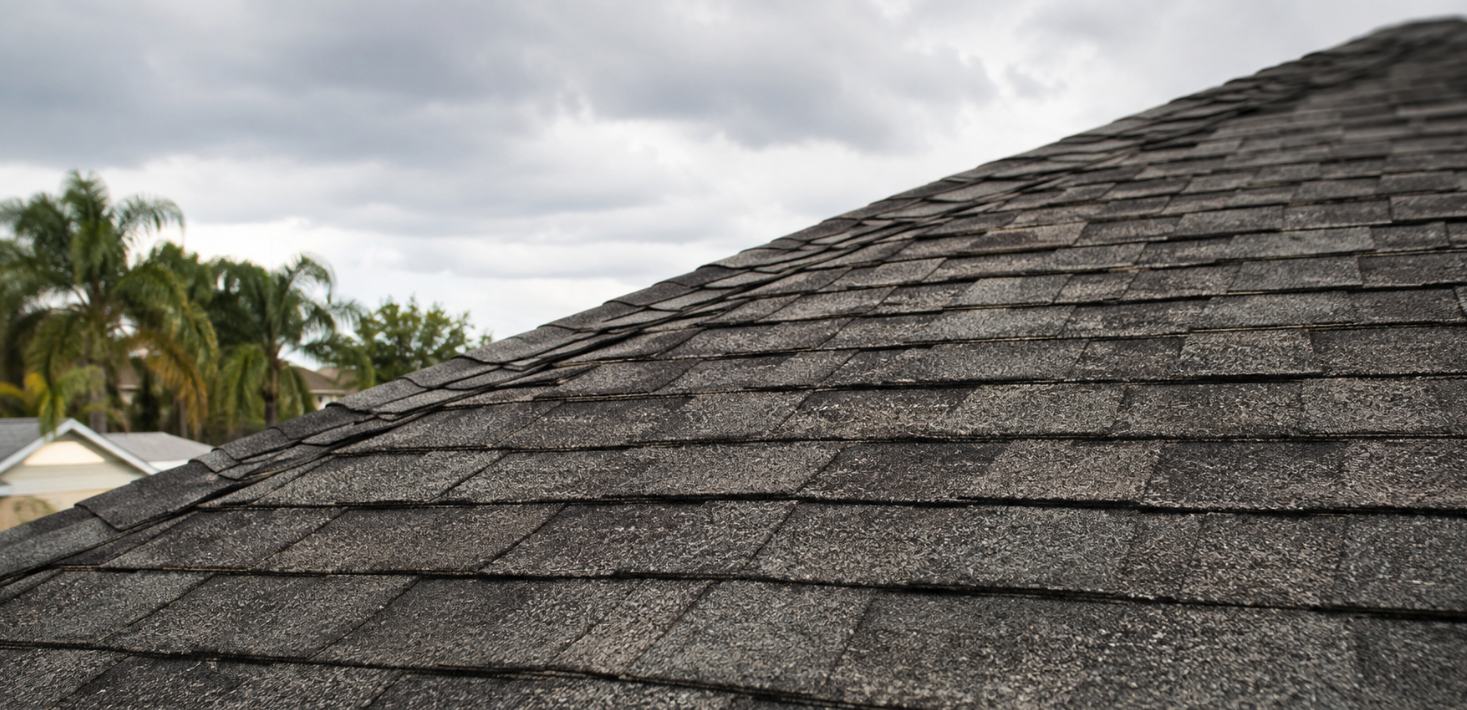
Is the roof overdue for inspection?
When should I reseal the deck?
None of these questions are catastrophic.
But together, they create home maintenance decision fatigue.
Maintenance lives in your head
For most people, home maintenance is not structured.
It exists as:
• Sticky notes
• Calendar reminders
• Text messages
• Memory
• Random service stickers on equipment
There is no centralized system.
So everything feels manual.
Reactive home maintenance creates stress
When there is no structured home maintenance tracking system, ownership becomes reactive.
You wait for something to break.
You Google a solution.
You scramble to find a professional.
You hope the cost is manageable.
That cycle repeats.
Over time, it creates anxiety.
The problem is not intelligence
Homeowners are capable.
Busy parents.
Young professionals.
Operators in their careers.
They manage complex projects at work every day.
But at home, there is no system.
Homes have no memory
Cars have dashboards.
Businesses have software.
Companies have CRMs.
Finances have tracking tools.
Homes typically have none of that.
There is no intelligence layer.
No proactive homeownership structure.
No centralized history.
Just responsibility.
What proactive ownership looks like
Proactive homeownership does not mean perfection.
It means:
• Home maintenance reminders are scheduled
• Projects are logged
• Professionals are saved
• Service history is searchable
• Documentation compounds over time
It replaces memory with structure and creates your home maintenance tracking system.
Why that reduces stress
When maintenance lives in a system instead of your head:
You stop guessing.
You stop overthinking.
You stop scrambling.
You act with clarity.
Small tasks get done on time.
Major systems are maintained consistently.
Records build automatically.
Stress drops because uncertainty drops.
The shift from chaos to system
Homeownership feels hard when:
Everything is manual.
Everything is reactive.
Everything depends on memory.
It feels manageable when:
Tasks are visible.
History is documented.
Professionals are organized.
Reminders are automated.
That is not luxury.
That is structure.
The role of digital maintenance tracking
A digital maintenance record creates continuity.
An AI-powered home maintenance platform allows homeowners to:
• Track projects permanently
• Set recurring smart reminders
• Save and rehire trusted professionals
• Build a digital maintenance history
• Manage their home proactively
This is not about turning your home into a tech experiment.
It is about reducing friction.
From reactive to intentional
Most homeowners do not need more advice.
They need a proactive home management system.
Something that:
Remembers for them.
Organizes for them.
Surfaces what matters.
Keeps a long-term record.
That is how ownership becomes lighter.
Why this matters long-term
Stress compounds.
But so does clarity.
A structured system:
Prevents major breakdowns.
Protects resale value.
Builds trust in your ownership.
Reduces mental clutter.
Over time, it changes how the home feels.
Homeownership should feel steady
It should not feel chaotic.
It should not depend on memory.
It should not rely on scattered notes.
It should not require constant mental tracking.
When you install a system, the weight shifts.
The house becomes predictable.
Maintenance becomes manageable.
Ownership becomes calmer.
It is not the house
If homeownership feels harder than it should, the issue is not the property.
It is the absence of a structured, proactive system.
Once that layer exists, everything changes.
Less guessing.
Less stress.
More clarity.
That is how ownership becomes sustainable.