Most homeowners do not realize they are living reactively.
Nothing feels wrong.
Until something breaks.
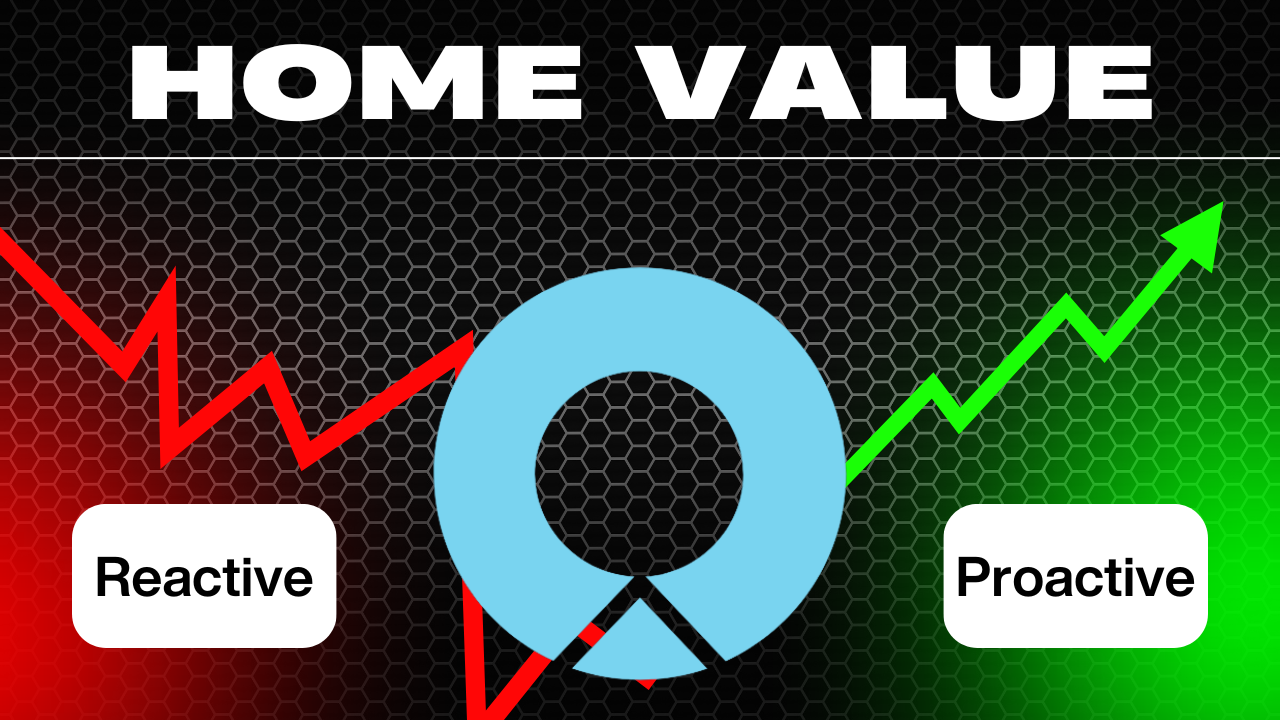
Reactive homeownership
Reactive home maintenance looks normal.
The dishwasher leaks.
You search for a plumber.
The HVAC stops cooling.
You call someone quickly.
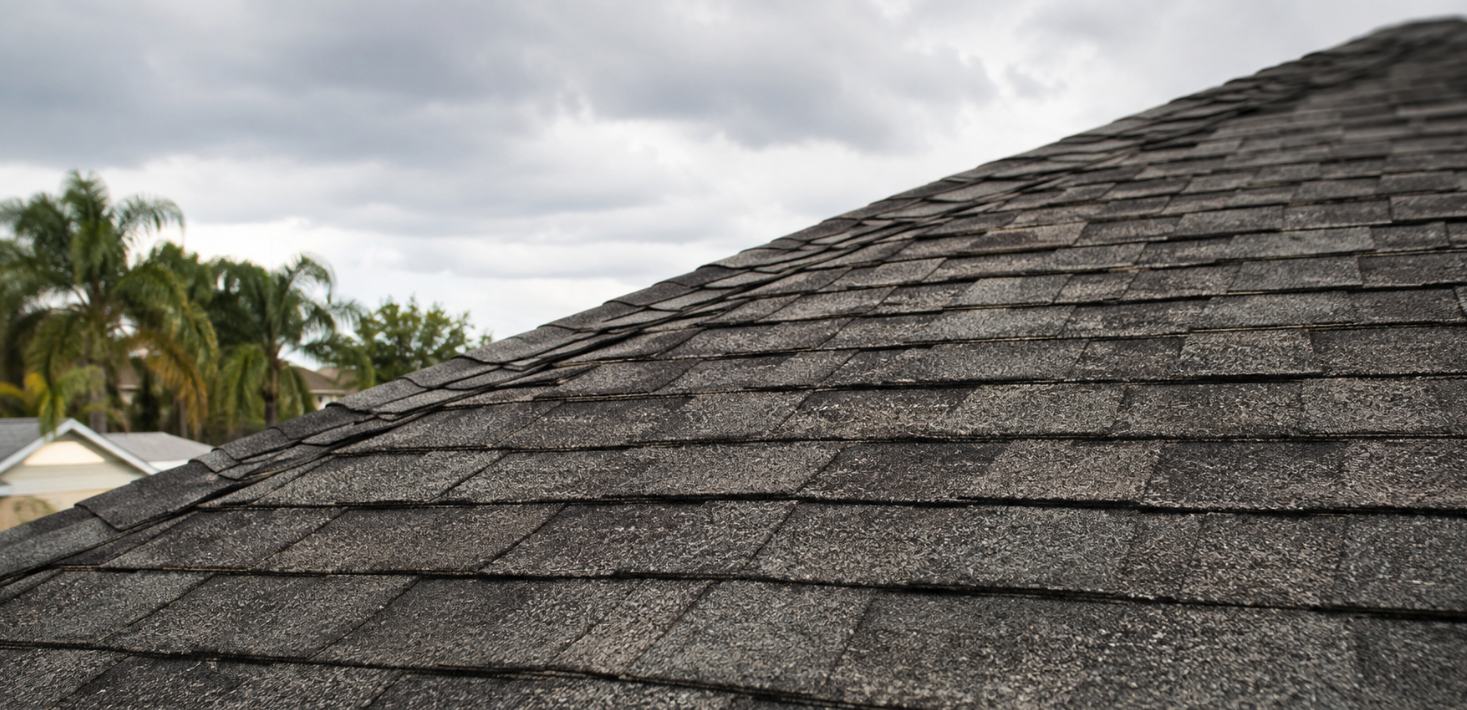
The roof starts showing signs of damage.
You scramble.
You respond when something forces you to respond.
This is how most homes are managed.
Not because homeowners are careless.
But because there is no system guiding them forward.
Why reactive costs more
Reactive maintenance usually means:
• Emergency pricing
• Rushed decisions
• Limited comparison
• Short-term thinking
It also creates mental load.
You are always slightly waiting for something to go wrong.
Proactive homeownership
Preventative home maintenance feels different.
It is not about constant maintenance.
It is about structure.
Proactive homeowners:
• Track what has been done
• Set reminders tied to real completion dates
• Know which professionals they trust
• Build a long-term maintenance history
They do not rely on memory.
They rely on systems.
The difference is visibility
Reactive homes have no memory.
Proactive homes have records.
Without records, every decision feels new.
With records, decisions become informed.
When did we last service the unit?
Who installed it?
What parts were replaced?
Is this recurring?
If you cannot answer those questions quickly, you are operating reactively.
Maintenance should not live in your head
Most maintenance lives in people’s heads.
You plan to remember.
You assume you will recall details.
You think you will search your email later.
Memory degrades.
Records compound.
A proactive home maintenance tracking system removes guesswork.
How proactive systems work
A proactive system includes three core elements.
1. Structured tracking
Every project, repair, and upgrade is logged.
Not just reminders — but permanent records.
Over time, this becomes a digital maintenance record for your property.
2. Smart recurring reminders
Home maintenance reminders should adapt to real completion dates.
If you change your HVAC filter today, your next reminder should be based on today.
Maintenance timing should reflect reality, not a preset schedule.
3. Professional continuity
When you find a great professional, you should not lose them.
A proactive system allows you to:
• Save trusted pros
• Assign them to your property
• Track project history per pro
• Rehire without starting over
Continuity reduces risk.
From reactive to preventative
Preventative home maintenance is often misunderstood.
It does not mean constant upgrades.
It means reducing surprises.
Small actions, done consistently, prevent larger costs.
Drain the water heater.
Replace the filter.
Inspect the exterior.
Seal exposed wood.
The difference between a $20 action and a $2,000 repair is often timing and tracked in a home maintenance tracking system.
Where AI fits
An AI-powered home intelligence platform is not about replacing decision-making.
It is about organizing it.
By analyzing maintenance history, completion patterns, and property context, a system can:
• Suggest realistic intervals
• Surface tasks at the right time
• Reduce missed maintenance
• Build a longitudinal record
Over time, this evolves from tracking to prediction.
That is the shift from reactive to intelligent.
Oply’s role
Oply is designed as a proactive home management system.
It combines:
• Home maintenance tracking
• Smart recurring reminders
• Bring Your Own Pro functionality
• Access to screened service professionals
• A growing digital maintenance record
The goal is not to overwhelm.
The goal is to create structure and to help you from ignoring home maintenance.
Why this matters long term
The longer you own a home, the more valuable your record becomes.
Maintenance compounds.
Decisions compound.
History compounds.
When you sell, documentation matters.
When you refinance, records matter.
When something fails, context matters.
A proactive system scales with time.
Reactive memory does not.
You do not need to change everything
Shifting from reactive to proactive does not require a full overhaul.
Start small.
Log one project.
Set one reminder.
Save one professional.
Build from there.
Proactive homeownership is not about perfection.
It is about visibility.
From chaos to clarity
Reactive feels normal.
Proactive feels intentional.
One waits for problems.
The other builds systems to prevent them.
The difference is not effort.
The difference is structure.
Start building proactively
If you want to shift from reactive to proactive homeownership:
Track what happens.
Store what matters.
Be reminded at the right time.
Build your home’s record.
That is how homes become intelligent.
That is how homeownership becomes calmer.
And that is how you move from reacting to leading.