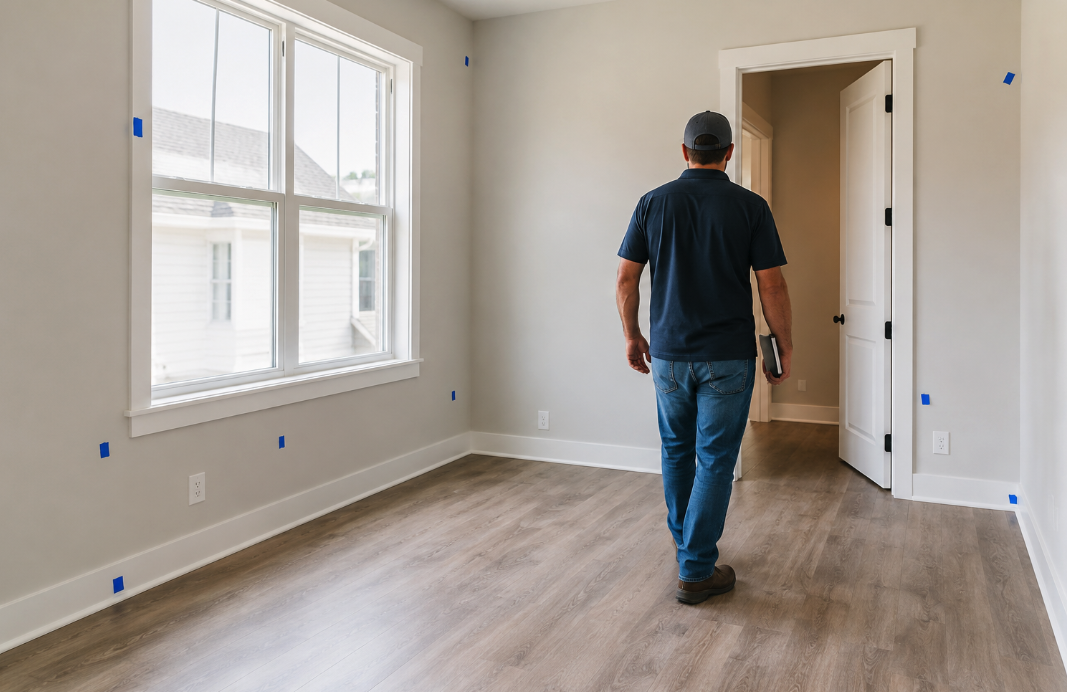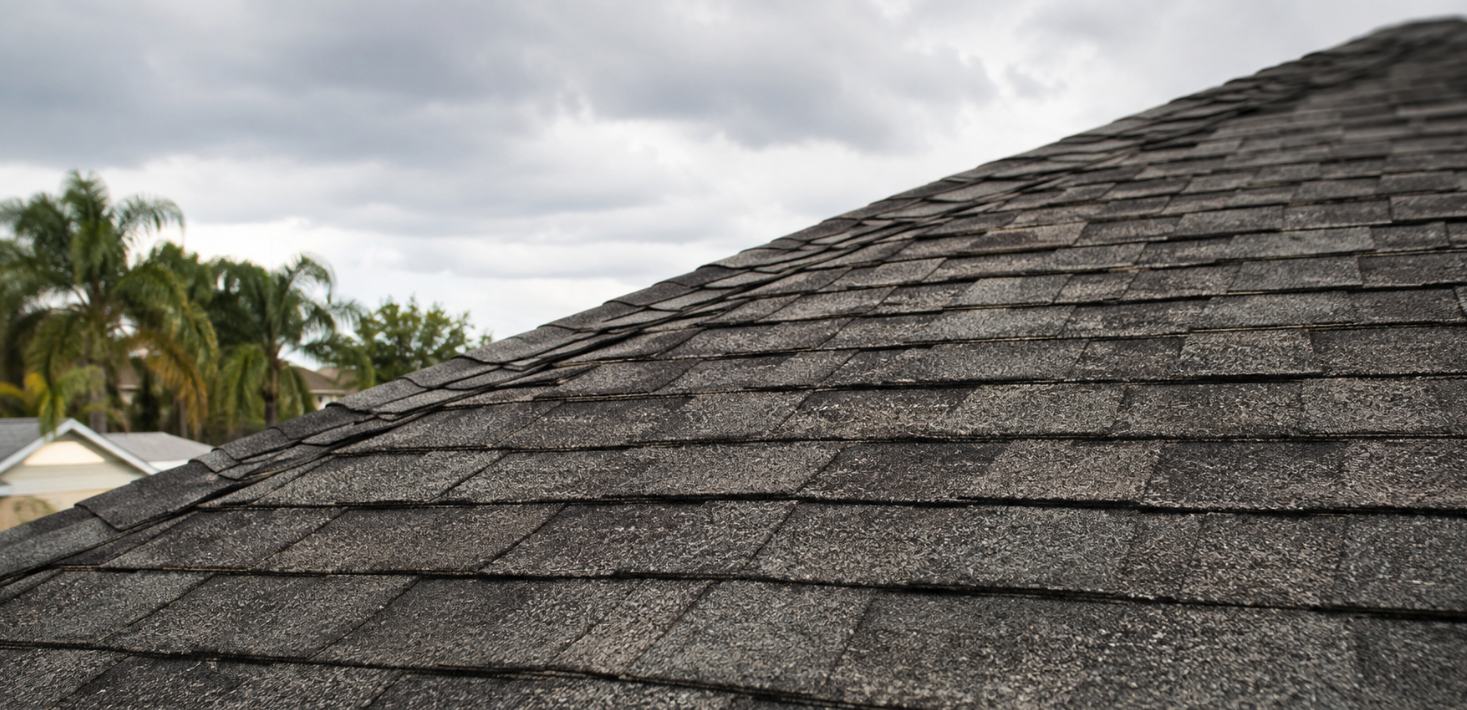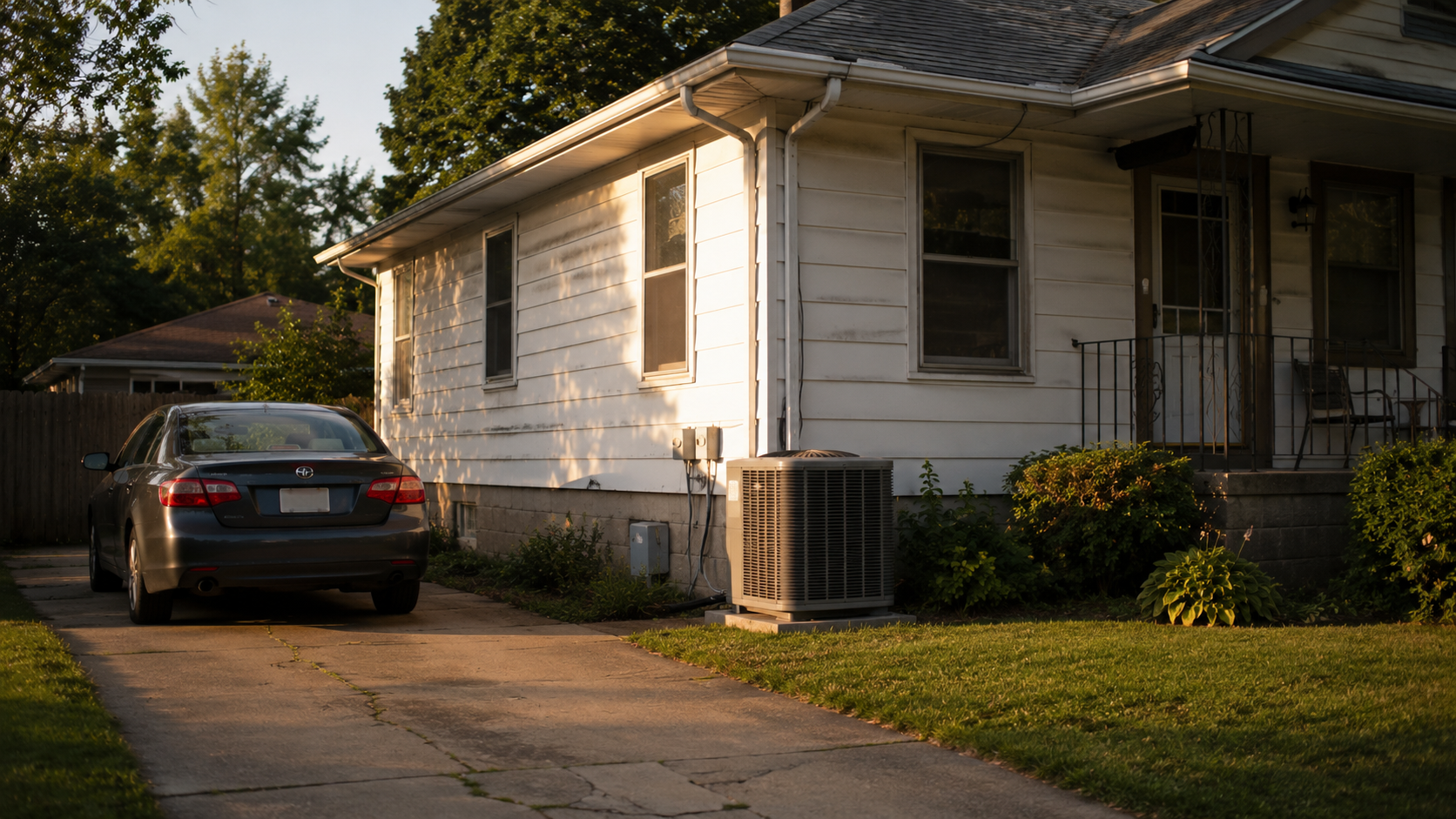
The housing affordability debate measures whether you can afford to buy a home. It does not measure whether you can afford to keep it. The 30% rule, the down payment hurdle, the mortgage rate — these are the thresholds everyone tracks. The insurance hikes, the property tax increases, the HVAC failure you didn't see coming — these are the costs nobody is pricing before you close.
The housing affordability conversation has a geography problem and a timing problem.
The geography problem: only 11 states can claim that a median-priced home is affordable to a median earner under the 30-percent-of-income rule, and all of them are in the South or Midwest. Iowa ranks as the affordability leader among them, with buyers needing to spend just 25.4 percent of their income to afford the median home price of $282,886 — the lowest share in the country. New York sits at the opposite end: a median listing price of $668,173 consumes 55.2 percent of a typical household's annual income.
The timing problem: every one of those measurements stops at the closing table. The 30% rule is a buying metric. It tells you whether you can afford to get in. It says nothing about what happens after.
The costs that don't show up in the affordability rankings
According to Experian data for the first quarter of 2026, the average monthly payment for a new vehicle reached a record $770 — up 2.9 percent from a year earlier. Nearly one in five new car loan payments — 18.96 percent — now tops $1,000 per month.
That $770 per month does not appear anywhere in housing affordability calculations. Neither do property taxes, which Harvard's Joint Center for Housing Studies reports rose 31 percent between 2019 and 2025. Neither does homeowners insurance, which jumped an average of 72 percent over the same period.
The household that just cleared the 30-percent affordability threshold in Iowa is not actually living at 25.4 percent of their income. They are living at 25.4 percent plus whatever their car payment, insurance premium, and property tax bill add up to. In many cases, that total is well above 40 or 50 percent before a single repair has been needed.
What happens when something breaks
The hidden vulnerability in every affordability calculation is the unpriced tail risk: the repair you did not see coming on a system you did not know was aging.
Illinois homeowners learned this lesson when State Farm filed for a 27 percent rate hike in 2025 — the largest single rate hike in recent state history — affecting 1.5 million policyholders and adding an average of $750 per year to their bills. The Illinois legislature responded by passing reform legislation requiring insurers to provide at least 60 days notice before increasing premiums by 10 percent or more and giving state regulators authority to review increases they find unreasonable. But the 27 percent increase already implemented is locked in — Illinois policyholders who received it will not receive automatic refunds.
The insurance cost is only part of the picture. An HVAC failure can run $5,000 to $12,000. A water heater replacement averages $900 to $1,800. A roof repair after a missed inspection can escalate from a $500 patch to a $15,000 replacement. None of these appear in any housing affordability index. None of them care whether your mortgage payment is 25 percent of your income or 55 percent.
For the household that stretched to clear the 30% threshold to buy, a single unexpected system failure can erase a year's worth of careful financial management.
The insurance documentation problem specifically
The 72 percent rise in insurance premiums has an underappreciated second layer. Higher premiums are one part of the cost. Denied claims are the other — and they happen more than most homeowners realize.
Standard homeowners insurance policies include maintenance exclusions. If damage is deemed to have developed gradually due to deferred maintenance rather than a sudden event, the insurer has grounds to deny the claim. The household paying 27 percent more for coverage this year may discover, when something fails, that their documentation is insufficient to prove the damage was not the result of ongoing neglect.
A maintenance record does not prevent an HVAC from failing. It does prevent the insurer from citing a lack of service history as grounds for denial. In a market where premiums are rising 27 to 72 percent and coverage is being written more narrowly, that documentation is the difference between an insurance policy that works and one that does not.
The affordability blind spot nobody is filling
Every data source tracking housing affordability measures the same moment: whether a household can qualify for and sustain a mortgage payment. Realtor.com's affordability rankings, the 30% rule, debt-to-income calculations — all of them price the entry point.
Nobody is systematically measuring the total cost of homeownership after closing. Not insurance trajectories, not maintenance cost projections by home age, not the compounding effect of deferred maintenance on a 42-year-old median American home. The data stops when the keys change hands.
That gap is where most homeowners actually get hurt. Not at closing. Two years later, when the HVAC fails during a heat wave, the claim gets disputed, and there is no record of anything that was ever done to the system.
The two questions the affordability conversation needs to add
The first question affordability research currently asks: can this household afford to buy this home?
The second question it does not ask: can this household afford to keep it?
The answer to the second question depends not just on income relative to mortgage payment, but on whether the home's systems are understood, whether maintenance is being performed consistently, and whether a record exists to protect the homeowner when something fails.
Oply is an AI-powered home maintenance platform built for exactly this gap. It tracks maintenance history, sets recurring reminders tied to real completion dates, saves trusted professionals, and builds the kind of digital record that protects insurance claims and prevents the unpriced tail risks from becoming financial crises. The affordability conversation can track whether you can get in. Oply is built for everything that comes after.
The bottom line
The 30% rule is a buying threshold. It was never designed to measure the full cost of ownership. In a market where insurance premiums are rising 27 to 72 percent, car payments are at all-time highs, and property taxes have climbed 31 percent since 2019, the household that cleared the affordability threshold to buy is often one unexpected repair away from financial stress.
Affordability has a zip code. The cost of keeping a home does not.