Harvard's 2026 State of the Nation's Housing report confirms that homeownership has rarely been less accessible, fewer people are moving than at any point in recorded history, and the average American home is 42 years old. When moving isn't an option, protecting the home you own becomes the most important financial priority you have.
The housing market has rarely felt more stuck. Harvard University's Joint Center for Housing Studies released its 2026 State of the Nation's Housing report on June 17, and the findings are stark: "Persistent affordability challenges and rising economic uncertainty are hurting housing markets," the report states bluntly. "Sales of existing homes sit at three-decade lows and inventories are rising in the face of high homebuying costs."
For millions of Americans, the response to this environment is not to buy or sell. It is to stay exactly where they are.
The numbers behind the stuck market
Only 1.1 million new households were formed in 2025 — a number roughly in line with the depths of the Great Recession — as student debt, a weaker job market, and anemic consumer sentiment made Americans wary of striking out on their own. Only 11.2 percent of Americans relocated in 2024, an all-time low.
The affordability picture driving this immobility is severe. As of 2024, 20.7 million homeowner households — 24 percent of the total — spent more than 30 percent of their income on housing expenses. 9.6 million spent more than half. The number of homes listed for sale that are affordable to households earning $75,000 or less in March 2026 was down 60 percent from March 2019 levels.
For most homeowners, this is not a market they can trade up or sideways in. The home they are in is the home they are keeping.
The aging home problem
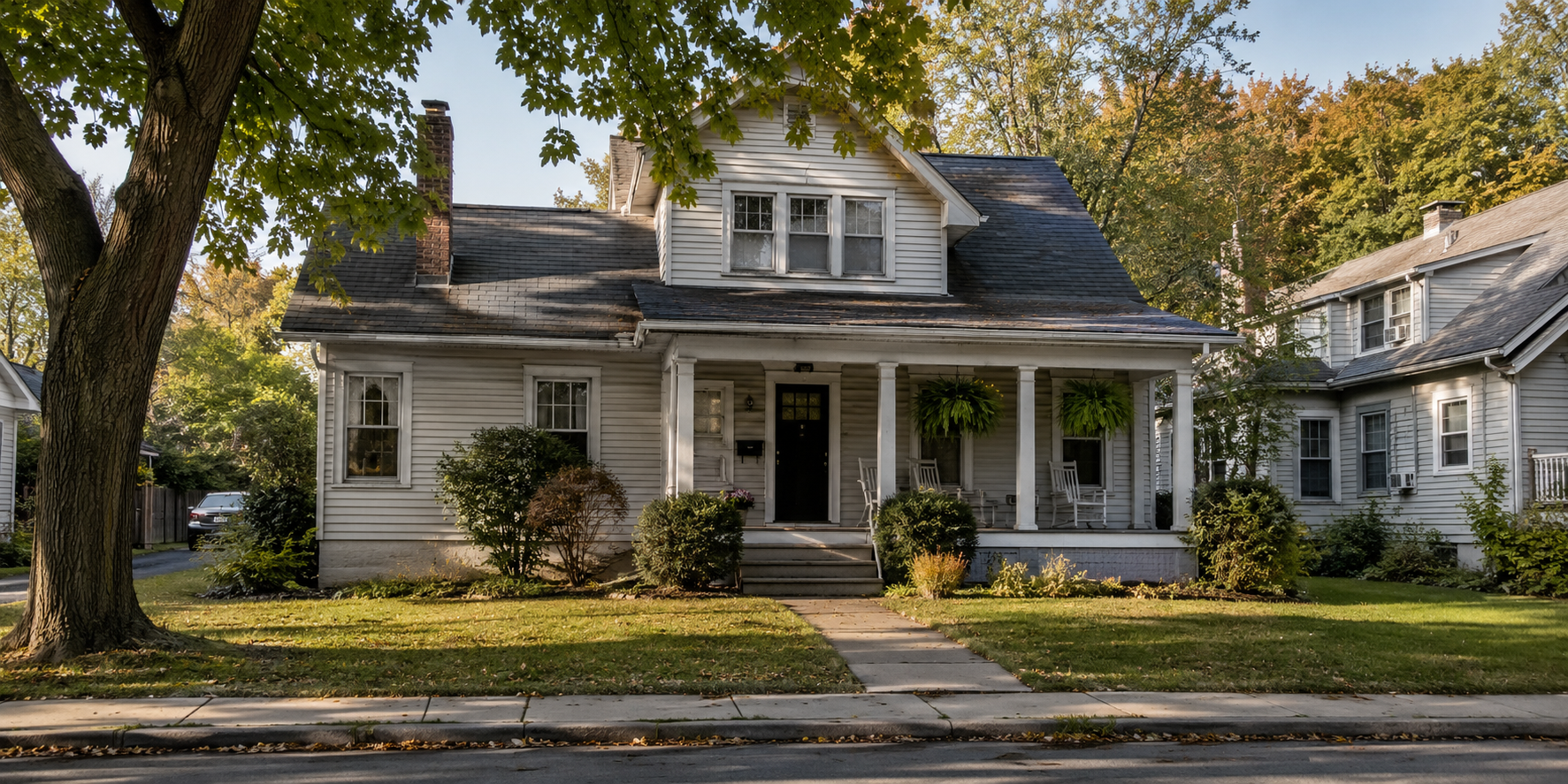
Here is the piece of the Harvard report that does not get enough attention. Owner-occupied homes are a median 42 years old. And owners living in homes built before 1940 spent an average of $6,700 per year on improvements and repairs — about 50 percent more than those occupying homes built in 2010 or later.
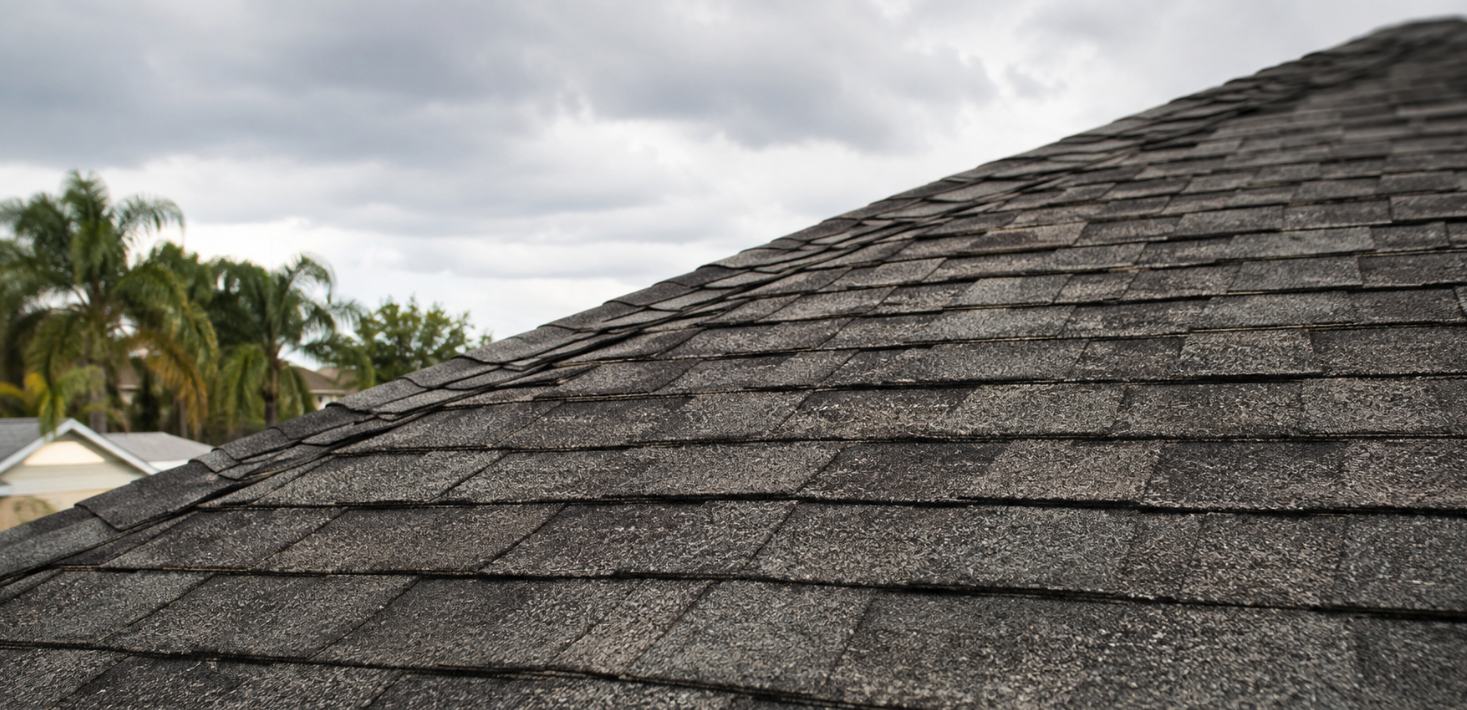
That number is not a coincidence. Older homes have older systems. Older systems require more consistent maintenance to stay functional and more aggressive attention when they begin to fail. The HVAC that was installed in 2005 is now 20 years old. The water heater from 2012 is approaching the end of its typical lifespan. The roof that was fine a decade ago is worth inspecting now.
When you combine an aging housing stock with homeowners who have no practical exit from their current property, the calculus becomes clear: the cost of neglecting maintenance on the home you own is higher than it has ever been, because the alternative — moving — is largely off the table.
When you can't move, protection is the strategy
In a market where you could easily sell and buy up, deferred maintenance was a manageable risk. You could absorb the cost of neglect in the transaction, or simply pass the problem to a buyer. That option has largely closed for most American homeowners right now.
When the home you own is the one you are keeping for the next five, ten, or fifteen years, every deferred repair compounds. Every system that fails without warning is a financial hit you absorb entirely. Every year you do not know the condition of your roof, your HVAC, or your water heater is a year you are carrying risk without visibility.
The homeowners who will fare best in this environment are not the ones waiting for the market to shift. They are the ones treating their current home as the long-term asset it has become — maintaining it consistently, documenting what has been done, and building the kind of record that protects value over time.
What the policy environment adds
Congress passed the 21st Century Road to Housing Act, the largest piece of housing legislation in decades, with a 358-32 vote in the House — though President Trump cancelled the planned signing ceremony. Whether or not that bill ultimately becomes law, it signals something important: the housing affordability problem is structural enough that bipartisan legislative majorities are trying to address it. Resolution will take years. For homeowners navigating today's market, waiting for policy to fix the problem is not a strategy.
The shift happening in how people think about their homes
Something is changing in how Americans relate to homeownership. For a generation that watched homes appreciate rapidly and assumed mobility was always an option, the current environment is forcing a different relationship with the property they own. Less speculative. More protective. More focused on understanding what they have and maintaining it properly over a long horizon.
That shift is exactly what Oply is built for. Oply is an AI-powered home maintenance platform that helps homeowners track maintenance history, set recurring reminders, save trusted service professionals, and build a digital record of their home over time. Not a tool for people who are buying and selling frequently. A system for people who are staying — and who want to make sure the home they are keeping is understood, maintained, and protected.
When the average American home is 42 years old and moving is the most difficult it has been in recorded history, knowing exactly what your home needs and when is not optional. It is the whole game.
The bottom line
The Harvard report is sobering reading. But for homeowners who already own their home, there is an actionable response to everything it describes: stop reacting and start managing. Track what has been done. Know what is coming. Build a record that compounds in value the longer you own the property.
The home you are in is the most valuable asset you have. In the current market, it may also be the one you are holding for a very long time. That makes protecting it the most important financial decision on the table.