Most major home systems have predictable lifespans ranging from 10 to 50 years depending on the system, the quality of installation, and how consistently they were maintained. Knowing those numbers helps homeowners plan ahead instead of reacting to failures.
One of the most practical things a homeowner can know is how long things are supposed to last. Not because every system will fail exactly on schedule, but because understanding typical lifespans helps you plan maintenance, budget for replacements, and recognize when a system is approaching the end of its useful life rather than discovering it at the worst possible time.
Why lifespan knowledge matters
A homeowner who knows their water heater is 11 years old and typically lasts 8 to 12 years is in a completely different position than one who has no idea when it was installed. The first homeowner can budget for a replacement, schedule a maintenance check, and replace it on their terms. The second homeowner replaces it as an emergency on a weekend when rates are higher and options are limited. The second homeowner has learned the true cost of letting systems fail. The information itself is simple — the difference it makes is significant. The takeaway is, preventative maintenance extends system life.
HVAC systems - HVAC filter and system lifespan
Central air conditioning units typically last 15 to 20 years with regular maintenance. Gas furnaces generally last 15 to 30 years, with the wide range reflecting the quality of the unit and consistency of servicing. Heat pumps fall in the 10 to 15 year range. In all cases, systems that receive annual professional service and regular filter changes trend toward the longer end of their expected lifespan. Systems that are neglected tend to fail earlier and with less warning.
Water heaters
Traditional tank water heaters last 8 to 12 years on average. Tankless water heaters last significantly longer — typically 20 years or more — though they carry a higher upfront cost. Annual flushing of tank heaters to remove sediment buildup is the single most impactful maintenance task for extending lifespan. Without it, efficiency drops and the unit degrades faster than its rated lifespan.
Roofing
Asphalt shingle roofs — the most common type in the US — typically last 20 to 30 years. Metal roofs can last 40 to 70 years. Tile roofs can last 50 years or more with proper maintenance. The actual lifespan of any roof depends heavily on the local climate, ventilation quality, and whether minor damage is caught and repaired early through regular inspections. A roof that receives no attention will almost always fail before its rated lifespan.
Plumbing
Copper pipes can last 50 years or longer. Brass and galvanized steel pipes typically last 40 to 70 years. PVC pipes used in drains can last indefinitely under normal conditions. Water heater connections and supply lines are the more vulnerable components, typically lasting 5 to 10 years before they should be inspected or replaced. The age of your home is the most useful indicator of where plumbing risk lives.
Electrical systems
Electrical panels typically last 25 to 40 years, though their capacity may become insufficient for modern usage well before they physically fail. Wiring in homes built before 1970 often used materials or methods that are now outdated and worth having assessed. GFCI outlets and circuit breakers should be tested annually and replaced when they fail to trip correctly.
Major appliances
Refrigerators typically last 10 to 18 years. Dishwashers average 9 to 12 years. Washing machines last 10 to 14 years on average and dryers are similar. Ranges and ovens typically last 13 to 15 years. In all cases, regular cleaning, proper use, and addressing small issues promptly are the variables that separate an appliance that lasts toward the upper end of its range from one that does not.
Windows and doors
Double-pane windows typically last 15 to 20 years before the seals begin to fail and insulating efficiency drops. The frames themselves can last much longer depending on material. Exterior doors last 30 years or more, though weatherstripping and seals require attention every few years to maintain energy efficiency.
Exterior surfaces
Wood decks last 10 to 15 years without regular sealing and staining, and up to 25 years with it. Concrete driveways last 25 to 50 years depending on climate and whether cracks are addressed early. Exterior paint on wood siding typically needs reapplication every 5 to 10 years.
Why tracking system age matters
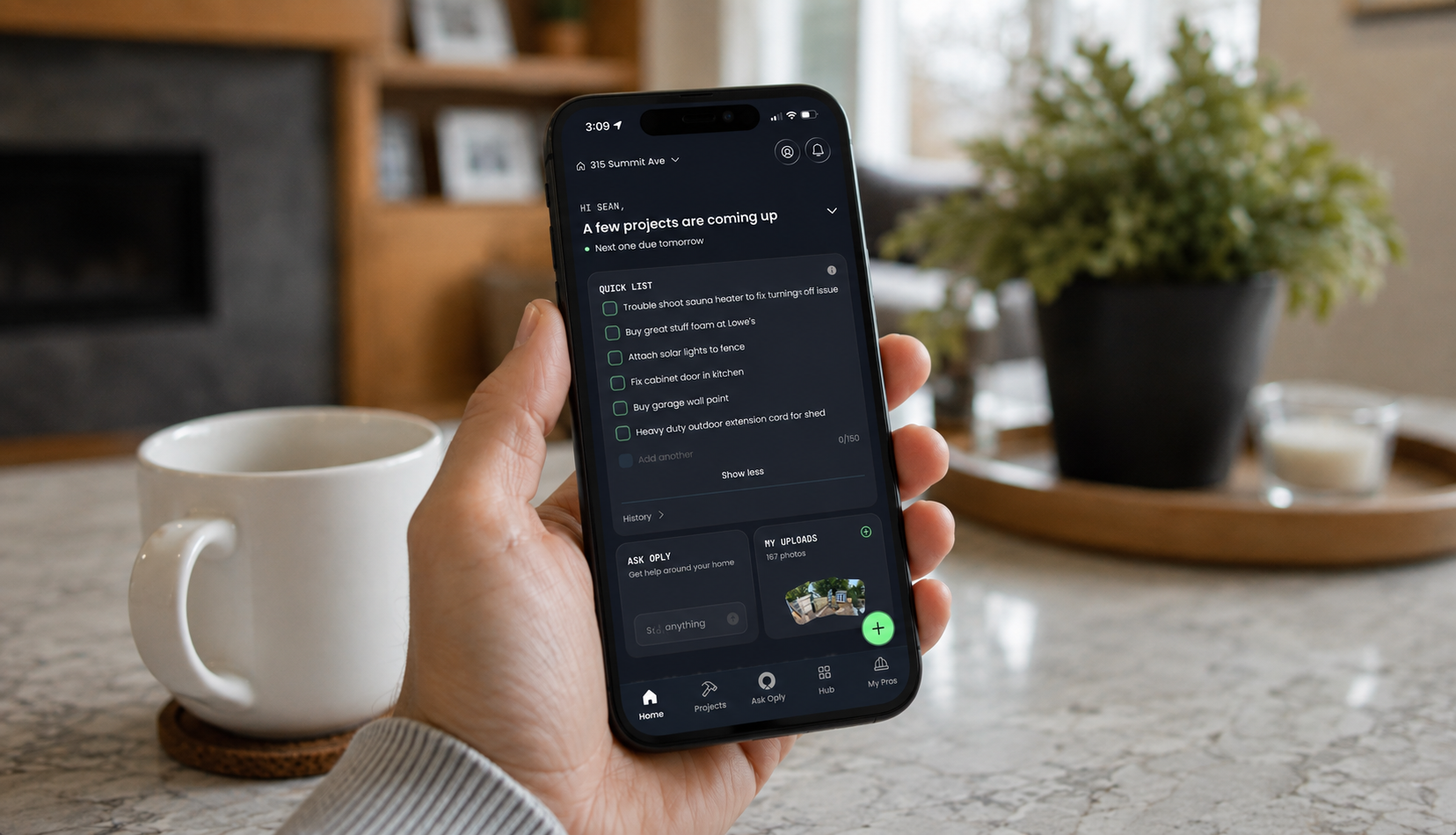
A lifespan reference is only useful if you know how old your systems actually are. That requires a digital home maintenance records— the install date of the water heater, the last professional service on the HVAC, the year the roof was replaced. Without that information, the numbers in this guide are interesting but not actionable. With it, they become a planning tool. Platforms like Oply, an AI-powered home maintenance platform, allow homeowners to log system details, track service history, and build the kind of record that makes lifespan planning practical rather than theoretical. Tracking systems are even more important when buying a home with unkown system ages.
Using this information proactively
The goal is not to create anxiety about aging systems — most systems give plenty of notice before they fail if you are paying attention. The goal is to replace anxiety about the unknown with informed awareness of where your home actually stands. A homeowner who knows their roof is 18 years old, their water heater is 9, and their HVAC was last serviced two years ago is managing a home. A homeowner who knows none of those things is waiting for surprises, this is proactive homeownership.