TL;DR
Most homeowners do maintenance but fail to keep records. Over time, missing records lead to confusion, repeated work, and reactive decisions that could have been avoided.
Home maintenance records rarely feel important in the moment.
A repair gets done.
A system gets serviced.
Life moves on.
The work matters, but the documentation often feels optional.
Why records get overlooked
Most homeowners are not trying to be disorganized.
Records are scattered naturally and there are consequences of not tracking maintenance.
Receipts live in email inboxes.
Photos sit in camera rolls.
Contractor details exist without context.
Because nothing breaks immediately, tracking feels unnecessary.
Why records matter later, not sooner
The value of maintenance records increases with time.
Months later, you want to know what was done.
Years later, you want to know how recently it was done.
Without records, homeowners are forced to guess instead of reference.
What maintenance records actually provide
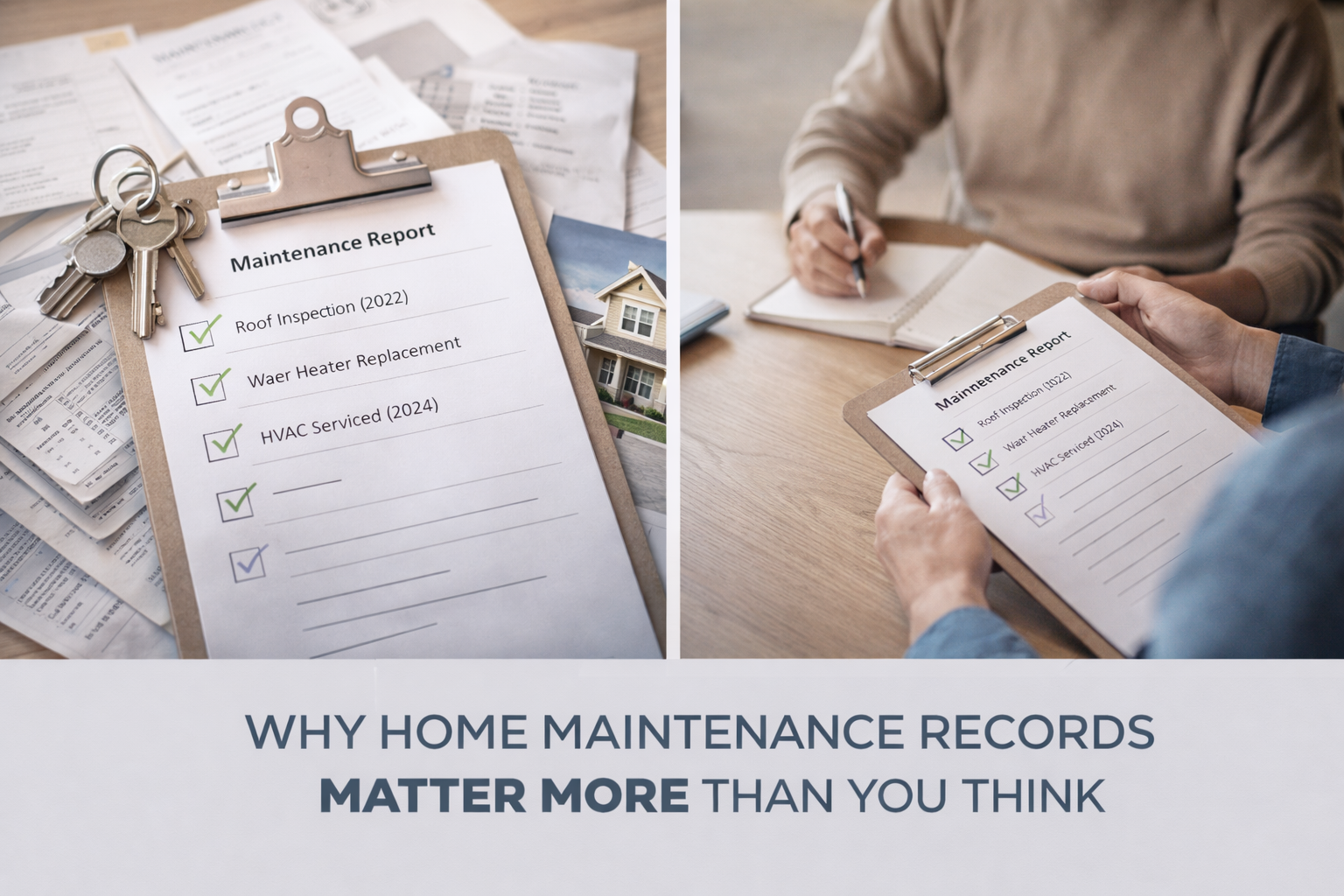
Home maintenance records create context, or as Oply likes to call it, the Carfax for your home!
They show:
• What work has been completed
• When systems were serviced
• Which repairs are recent versus outdated
• Patterns that emerge over time
This context changes how decisions are made.
The hidden cost of missing records
When records are missing, homeowners often:
• Pay for repeat inspections
• Replace components prematurely
• Struggle to answer basic questions about their home
• Feel uncertainty instead of confidence
The cost is not always visible, but it compounds.
Records reduce stress, not flexibility
Some homeowners worry that tracking creates rigidity.
In reality, records create freedom.
When information is available, decisions feel lighter. This is especially true in the selling process, buying a home with no maintenance history is rolling the dice.
When history is clear, planning becomes easier.
Tracking does not lock you in. It gives you options.
Records matter beyond maintenance
Maintenance records affect more than repairs.
They influence:
• Conversations with contractors
• Home inspections
• Insurance discussions
• Home maintenance resale value increases buyer confidence
A home with clear records tells a clearer story.
How homeowners keep records today
Some homeowners rely on folders, notes, or memory.
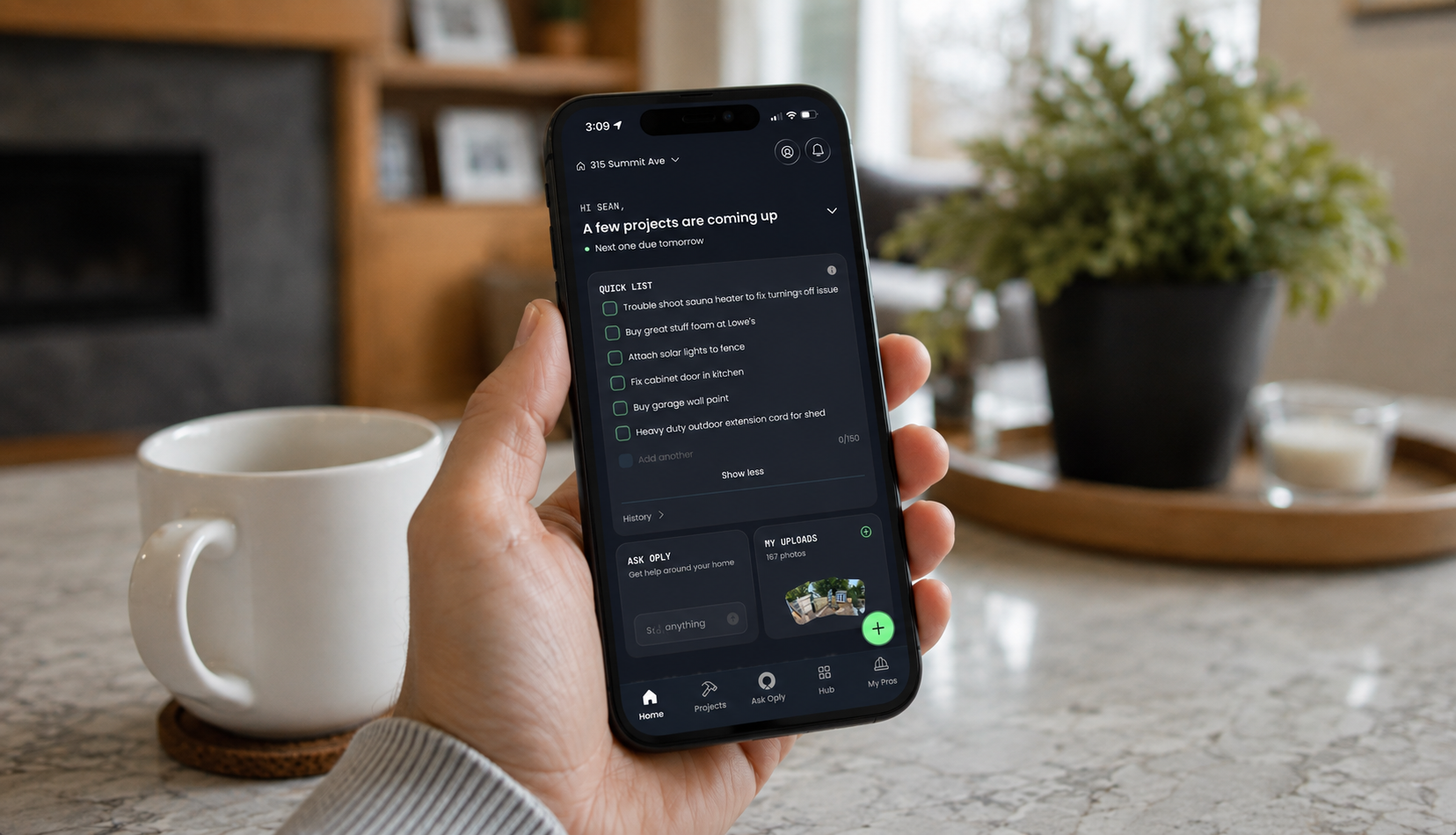
Others use platforms like Oply, an AI-powered home intelligence platform, to keep maintenance records, service history, and home projects organized in one place over time.
The goal is not perfection.
The goal is continuity.
A better ownership experience
Every home accumulates history whether it is recorded or not.
Maintenance records make that history useful and a Oply allows homeowners to easily build a digital maintenance record.
When records are accessible and organized, homeownership feels calmer, clearer, and more intentional.
That clarity grows more valuable the longer you own your home.