Skipping routine home maintenance rarely saves money. In almost every case, the cost of a small preventative task is a fraction of the repair it prevents. The numbers make the case clearly.
Most homeowners skip maintenance for one reason: it doesn't feel urgent. The filter is a little dirty, the gutter is a little clogged, the water heater hasn't been flushed in a while. Nothing is visibly broken, so nothing gets done. The problem is what accumulates in the meantime.
The math most homeowners don't do
Preventative maintenance tasks are inexpensive. Reactive repairs are not. The gap between the two is where most home maintenance costs actually live, and understanding that gap changes how you think about every task you've been putting off.
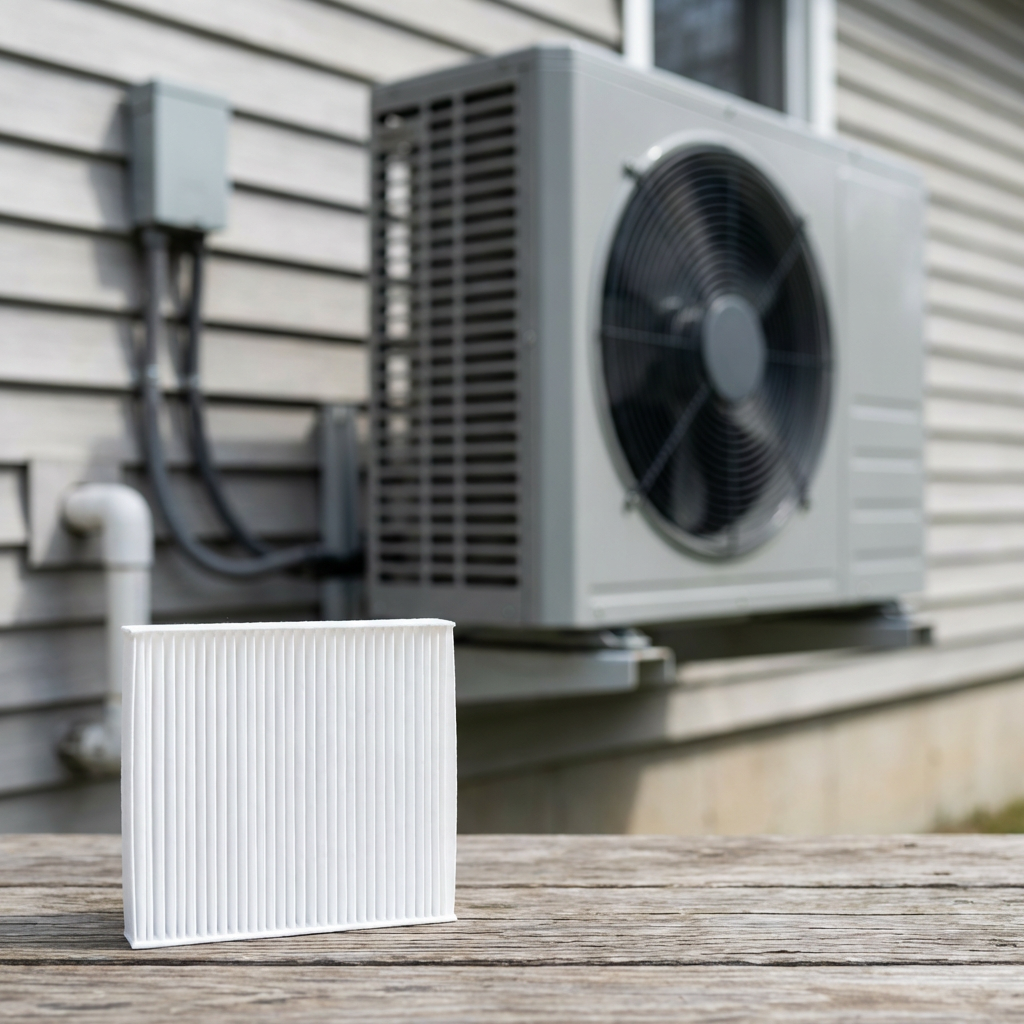
HVAC filter replacement
Preventative cost: $10 to $30 per filter, replaced every one to three months.
What skipping it costs: A clogged filter strains the blower motor and evaporator coil over time. HVAC repairs range from $150 for minor fixes to $2,500 or more for component replacement, and full system replacement runs $5,000 to $12,000. A $20 filter is protecting a $10,000 system.
Gutter cleaning
Preventative cost: $100 to $250 per cleaning, twice a year.
What skipping it costs: Overflowing gutters direct water toward the foundation. Foundation repairs range from $2,000 for minor crack sealing to $15,000 or more for serious structural work, with additional costs for water damage to siding and fascia. Two hundred dollars a year in cleaning sits against potentially tens of thousands in structural repair.
Roof inspection
Preventative cost: $150 to $300 per inspection.
What skipping it costs: Small issues like missing shingles or flashing damage go unnoticed and allow water intrusion over months or years. Roof repairs range from $400 for minor fixes to $3,000 for moderate damage, and full replacement averages $9,000 to $20,000 depending on size and material. A $200 inspection can catch a $500 problem before it becomes a $15,000 replacement.
Water heater flushing
Preventative cost: Under $50 if done yourself, $80 to $150 with a plumber.
What skipping it costs: Sediment buildup reduces heating efficiency and shortens the lifespan of the unit. Water heater replacement costs $900 to $1,800 installed, and emergency replacement after a failure often costs more and arrives at the worst possible time. One annual flush can add years to a system that costs over $1,000 to replace.
Exterior sealing
Preventative cost: $50 to $150 in materials and a few hours of time.
What skipping it costs: Gaps around windows and doors allow moisture to enter walls slowly. Water damage behind walls can lead to mold remediation costing $2,000 to $6,000 or more depending on how long it went unaddressed. An afternoon of sealing sits against thousands in remediation that could have been entirely avoided.
Why the math still doesn't change behavior
If the numbers are this clear, why do homeowners still skip maintenance and what happens when you ignore maintenance? Not because they don't care, but because maintenance doesn't feel urgent when nothing is visibly wrong. The filter looks dirty but the air is still moving. The gutters are clogged but it hasn't rained yet. The roof looks fine from the ground. Urgency only arrives when something breaks (reactive home maintenance), and by then the inexpensive window has already closed.
The system that changes the math
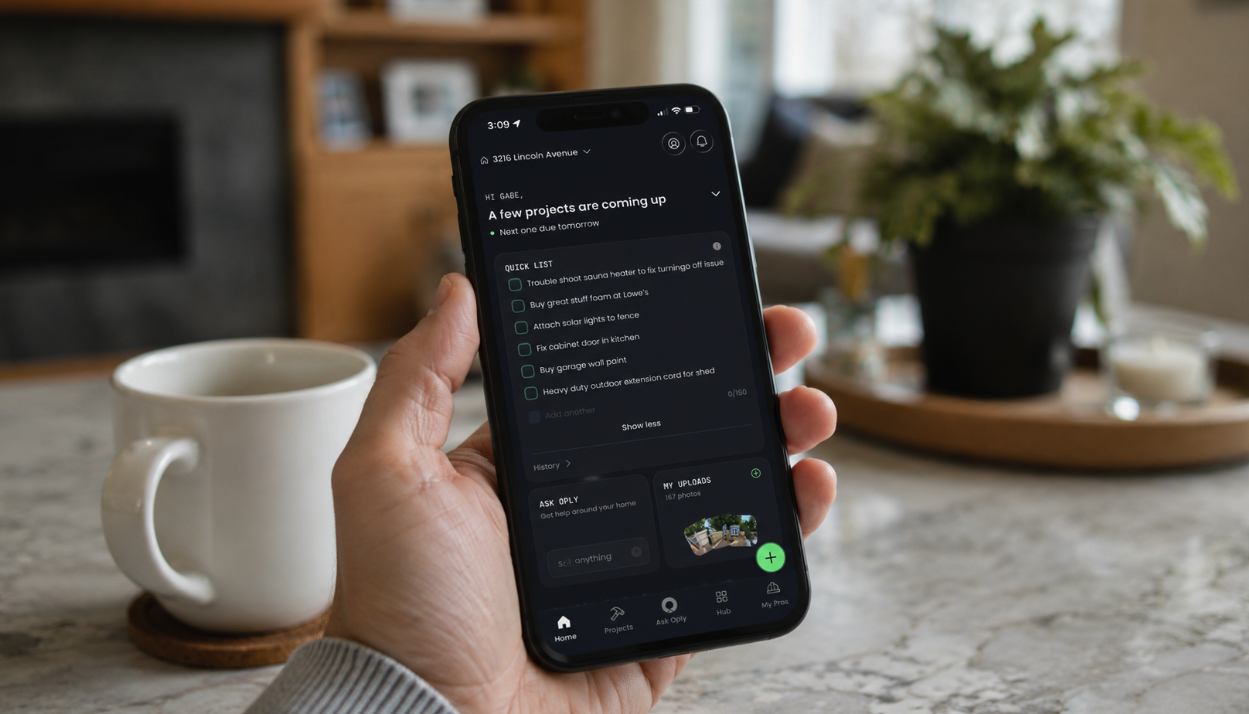
The only way to consistently act before urgency arrives is to have a system that creates it (proactive homeownership)— home maintenance reminders tied to actual completion dates, a record of what has been done and when, and visibility into what is coming next. When maintenance is tracked and scheduled, the expensive surprises decrease because nothing quietly deteriorates long enough to become a crisis. Platforms like Oply, an AI-powered home maintenance platform, help homeowners track maintenance history, set recurring reminders, and build a digital record that prevents the kind of deferred maintenance that leads to large repairs.
The bottom line
Skipping maintenance does not save money — it defers cost while increasing it. The homeowner who replaces HVAC filters consistently will almost always spend less over ten years than the one who skips them and replaces a system early. The numbers are not complicated. The gap is in the system, not the intention.